
Strengthening Cargo Security: How Transportation Security Seals Prevent Theft
Posted by Steve Diebold
Cargo theft remains a major challenge across the transportation industry, and criminals continue to adapt their tactics each year. As supply chains strengthen protections around high-value loads, thieves increasingly shift toward everyday goods like food, beverages, and general freight that may appear less protected. These trends highlight the importance of strong, tamper-evident sealing practices that discourage interference and help you stay ahead of evolving threats.
You have more control over cargo security than you may realize, and choosing the right seal is one of the simplest ways to strengthen your defenses. Consistent sealing practices help protect shipments and build trust among drivers, receivers, and logistics partners. This guide outlines the value of tamper-evident seals and the benefits of working with a reliable seal manufacturer, so you can better secure cargo from pickup to delivery.
Security Seals as a Critical Defense Against Cargo Theft in Transit
Security seals play a vital role in protecting cargo, because they provide clear visual evidence when a trailer, container, crate, or shipment has been opened without authorization. When you apply a seal, you establish a controlled point that confirms whether your cargo has remained untouched from origin to destination. Although a seal does not physically prevent someone from accessing the load, it alerts you immediately when a breach may have occurred. This early visibility supports security in cargo shipping by allowing drivers, warehouse teams, and receivers to respond quickly, strengthening a more reliable supply chain.
Beyond serving as a deterrent, security seals also create a dependable chain of custody that helps you track each stage of the journey. The unique serial numbers on every seal allow you to document when a shipment leaves a facility, who inspects it along the route, and whether the seal remains intact upon arrival. In many operations, teams rely on products like heavy duty plastic cargo seals to withstand rough handling and prevent unnoticed interference. This recordkeeping reduces confusion during investigations and strengthens trust among partners who rely on accurate information. Understanding these elements helps you select seals that match your cargo needs and maintain the level of control required for safe transit.
Security seals offer two core functions that make them essential in cargo theft prevention, and both apply regardless of whether the seal is simple or highly engineered. Their tamper-evident properties reveal interference at a glance, giving you immediate insight into compromised cargo and helping you respond before losses escalate. Their accountability function supports internal control by showing who accessed the cargo and when, using serial numbers that can be verified at each checkpoint. When you use security seals consistently across your operation, you reinforce a culture of responsibility and strengthen your overall approach to cargo protection.
How to Identify Tampering on Transportation Security Seals
Learning how to identify tampering helps you protect your cargo and prevent losses that may otherwise go unnoticed. Although wire security seals are designed to reveal interference clearly, you must still know what signs to look for during inspections. Even minor irregularities can signal attempts to access your shipment, and understanding these signs ensures you catch issues early.
- Physical Damage or Deformation: You should examine the seal for cracks, bending, or stress marks, because these may indicate that someone attempted to break or cut it. This applies to all seal types, including plastic security seals, which must maintain their full shape to provide tamper-evident protection. Damage may appear subtle, but even small changes in form can reveal intentional tampering.
- Irregularities in the Locking Mechanism: You should check the locking chamber to ensure it sits correctly and has not been manipulated. If internal components appear misaligned or loose, someone may have attempted to open the seal without breaking it completely. These inconsistencies help you detect attempts to bypass the seal through more discreet methods, which is important for maintaining accurate records.
- Serial Number Mismatches: You should compare the number printed on the seal with the number recorded at departure. If the numbers do not match, someone may have replaced the original seal to hide theft or unauthorized access. Tracking serial numbers carefully helps you confirm that the correct seal remains in place throughout transit, and supports your overall chain-of-custody process.
Recognizing these signs of tampering strengthens your ability to protect shipments and maintain reliable oversight throughout the transportation process. When you stay alert to changes in seal condition, locking components, and serial numbers, you create a stronger barrier against unnoticed breaches and potential loss. By incorporating careful seal inspections into your routine, and using options such as padlock security seals where appropriate, you reinforce the integrity of your cargo and support a more secure and accountable supply chain.
Seal Standards That Enhance Cargo Theft Prevention Efforts
The security seal of approval is a term commonly used to describe seals that meet recognized industry standards. These standards ensure that the seal performs consistently under different conditions and maintains its integrity against tampering. You benefit from selecting seals that meet these requirements, because certification helps guarantee the product has been tested thoroughly. This helps you make more informed decisions and reduces the chances of choosing a seal that fails under pressure.
Many certified seals follow guidelines, such as ISO 17712, which evaluates seals used for international shipping containers. This standard measures factors such as durability, strength, and tamper resistance to ensure that each seal offers a reliable level of protection. In higher-risk environments, some teams also pair certified seals with security tapes and labels to strengthen visible tamper evidence and enhance overall cargo protection. When your seals meet these expectations, you build greater trust with carriers, inspectors, and international partners.
Types of Transportation Security Seals Offered by AC&M
American Casting & Manufacturing provides a wide range of tamper-evident seals designed to meet the needs of transportation, logistics, and cargo protection professionals. Each seal is engineered with detailed attention to durability, traceability, and ease of use, and every product serves a specific purpose depending on the type of load you manage. Understanding the differences between these seals helps you build a stronger cargo security strategy that supports your daily operations.
- Bolt Seals for High-Security Requirements: Bolt seals offer strong protection for trailers, shipping containers, and rail cars because they require cutting tools for removal. Their durable build discourages interference and meets international high-security standards. You may use these seals for valuable loads or shipments with multiple handling points.
- Cable Seals for Adjustable and Strong Protection: Cable seals combine flexibility with high strength, making them suitable for many closure types. Their locking chamber shows tampering clearly, which is helpful for higher-risk freight. Cable seals are often chosen for electronics, mixed cargo, and loads that need reliable access control.
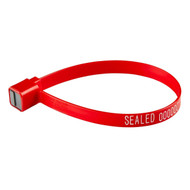
- Plastic Seals for Quick and Versatile Applications: Plastic seals provide clear tamper evidence and can be applied quickly during busy operations. Available in fixed or adjustable length cable seals, they match various closure points. They are often used for lower-risk loads or shipments that require frequent inspections.
- Metal Strap Seals for Durable and Traditional Protection: Metal strap seals offer a simple yet sturdy option for many transport environments. Their flat metal design is easy to apply and resists twisting or bending that could hide tampering. They work well for trailers, boxcars, and containers that need dependable indicative security.
- Tamper-Evident Labels and Tape for Supplemental Security: Tamper-evident labels and tape enhance visibility for cartons, pallets, and packaging that need extra monitoring. When lifted or removed, they reveal hidden messages that signal interference. These products are often used as secondary verification alongside a primary seal.
Together, these sealing options give you the flexibility to protect a wide range of cargo types and risk levels. When you select seals that match your shipment requirements, you strengthen your security procedures and reduce opportunities for theft. By understanding what each seal offers, you can build a more reliable and proactive cargo protection strategy.
Protecting Your Cargo With Proven Sealing Solutions
Cargo protection is one of the most important responsibilities in the transportation industry, because every shipment you send represents value, trust, and customer expectations. When you understand the purpose of security seals, recognize tampering indicators, and rely on products that meet industry standards, you strengthen your ability to protect your freight from theft. These practices reduce risks, support your operational procedures, and give you greater confidence in every phase of the shipping process. The right seal becomes a dependable tool that helps you safeguard your business, your drivers, and your supply chain partners.
American Casting & Manufacturing has supported businesses for more than 110 years by providing durable, tamper-evident sealing solutions built for the demands of transportation and logistics. You can reach our team at Toll-Free (866) 360-6748 or 516-349-7010, Monday through Friday from 9 a.m. to 5 p.m. EST, and speak directly with experts who can guide you through your options. You may also email us at info@seals.com to request more information or ask for customized sample packages that match your needs. To learn more about our history and dedication to reliable cargo protection, visit our About page. We look forward to helping you secure your shipments with confidence and care.