
Valve Sealing Solutions: Best Seal Types and How to Select the Right Fit
Posted by Steve Diebold
Valves play a central role in maintaining safety, controlling flow, and supporting efficient operations throughout many industries. Whenever you need to confirm a valve’s position, whether it should remain locked closed (LC) or locked open (LO), a tamper-evident seal becomes a critical part of that process. Today’s industries place even higher expectations on accuracy, compliance, and traceability, making the right sealing solution more important than ever.
At American Casting & Manufacturing, you benefit from more than 110 years of expertise and access to over 100 tamper-evident sealing devices. As valve designs evolve, so do your sealing needs. By understanding how seals function and how different types apply to various valve styles, you strengthen both the security and efficiency of your operations.
Essential Roles of Tamper-Evident Seals for Valves
Across the petroleum, chemical, pharmaceutical, food and beverage, water treatment, power generation, and commercial facilities industries, valves determine how materials move through processing and distribution systems. You rely on tamper-evident seals to maintain integrity at every stage, whether regulating hazardous materials, controlling temperature-sensitive ingredients, or preventing accidental or unauthorized valve movement.
In many industries, some valves remain sealed for extended periods, while others require frequent seal replacement. Refineries alone may use thousands of seals each year to keep internal operations secure. Tank trucks and food processors depend on seals to protect valuable cargo, while commercial buildings use them to prevent unauthorized tampering with critical water supply lines or fire-protection systems.
Modern sealing also enhances identification. With color coding, barcodes, serial numbers, and custom markings, you can instantly recognize a valve’s function or status. You may also add dates, times, or operator initials to track who handled a specific valve. When you need additional information, tags can be attached directly to the seal. Tamper-evident tape also offers secure sealing for valves on tank trucks, rail tankers, and long-distance pipelines where traditional seals may not attach easily.
Types of Seals Used for Different Valve Applications
Valves come in countless designs, from small precision components to large industrial assemblies, and each requires a sealing method that fits its shape, environment, and security needs. By understanding the strengths of different tamper-evident seal types, you can choose the option that delivers the right balance of flexibility, strength, and tamper resistance for your operation.
- Wire Seals for Flexible, Adaptable Use: Wire seals are highly versatile because you can thread them through handles, around valve bodies, or through nearby hardware with ease. Their flexible length lets you create a custom fit for almost any valve, making them ideal when you need a lightweight, reliable option for tight spaces or irregular shapes.
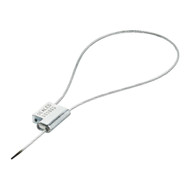
- Cable Seals for High-Strength and High-Security Applications: Cable seals offer greater strength for valves exposed to heavy stress, frequent handling, or higher tampering risks. They install the same way as wire seals, but provide greater durability, making them suitable for environments with vibration, weather exposure, or situations requiring resistance to cutting attempts.
- Plastic Pull-Up and Strap Seals for Frequent Resealing: Plastic pull-up and strap seals are practical for valves that need regular access. They perform well in low- to medium-security settings, such as food processing, short-haul tank truck deliveries, and commercial systems with routine maintenance, because they are easy to apply, remove, and replace.
- Adhesive Security Labels and Tape for Irregular or Unanchored Surfaces: When a mechanical seal cannot attach securely due to smooth surfaces, limited anchoring points, or enclosed valve assemblies, adhesive labels or tamper-evident tape provide a reliable alternative. These adhesives reveal clear signs of removal, allowing quick verification of whether a valve has been accessed.
- Heavy-Duty Cable Seals for Transport and High-Risk Environments: Valves on fuel tank trucks, rail tankers, and other transport systems require stronger tamper resistance. Heavy-duty cable seals withstand physical stress, harsh conditions, and unauthorized access attempts. With built-in seal points on most transport vehicles, these adjustable cable designs help maintain chain-of-custody integrity throughout transit.
Each valve design presents different challenges, which is why choosing the right seal type is essential for maintaining security and operational control. Whether you need flexible wire seals, high-strength cable seals, resealable plastic options, adhesive indicators, or heavy-duty transport-grade seals, selecting the best fit ensures that every valve remains protected and tamper-evident throughout its use.
How to Choose the Right Seal for Your Valve System
Choosing the right seal for your valve system is essential for maintaining safety, preventing tampering, and supporting smooth operations. Because every valve functions differently, and each environment presents unique challenges, you need a sealing solution that fits both the design of the valve and the demands of your workflow. By following a clear evaluation process, you can confidently select a seal that delivers the protection, durability, and traceability your system requires.
Step 1: Examine the Valve’s Size, Shape, and Attachment Points
Begin by assessing how the valve is built. Some valves are compatible with strap seals, while others require flexible wire seals or cable loops to secure them properly. Understanding the available attachment points helps you select tamper evident seals that fit securely and perform effectively.
Step 2: Evaluate the Operating Environment
Consider the conditions your valve is exposed to each day. Valves that encounter chemicals, moisture, vibration, or extreme temperatures often need corrosion-resistant materials or heavy-duty designs. Matching the seal material to the environment ensures long-term reliability.
Step 3: Determine How Long the Seal Must Stay in Place
Think about the expected duration of the seal. Short-term applications typically work well with plastic pull-up seals, which are easy to apply and replace. For long-term sealing, especially in areas where access must remain restricted, wire or cable seals provide greater strength and tamper resistance.
Step 4: Decide Whether You Need Tracking or Audit Control
If your facility requires inspection logs, chain-of-custody documentation, or digital tracking, choose seals with serial numbers, barcodes, or QR codes. These features help you verify usage, track seal changes, and maintain compliance across your operation.
Step 5: Consider Color Coding and Identification Requirements
Color coding can simplify your workflow by distinguishing valve types, indicating valve status, or aligning with safety protocols. Custom markings also support internal procedures, compliance practices, or labeling standards.
Step 6: Balance Security Needs with Your Budget
Finally, weigh the level of protection you need against the cost of available sealing options. The ideal seal offers the right combination of security, practicality, and durability, giving you confidence that each valve stays in its intended position without overspending on features you don’t need.
By evaluating these key factors, you ensure that your sealing program supports both operational safety and long-term efficiency. The right seal not only protects your valves from unauthorized access but also reinforces compliance and improves overall process control. With a thoughtful selection, you create a reliable, well-structured system that keeps your operation running smoothly and securely.
Common Valve-Sealing Challenges and How Modern Seals Solve Them
Many facilities encounter obstacles when sealing valves, especially when dealing with irregular designs or tight installation spaces. Flexible wire seals and adjustable cable seals solve this challenge by bending around complex valve geometries and securing easily through small openings. When you cannot attach a mechanical seal at all, adhesive labels or tamper-evident tape provide reliable tamper indication without requiring a fixed anchor point.
Environmental exposure is another concern. Industrial sites may expose valves to harsh chemicals, outdoor weather, high humidity, or vibration. Heavy-duty cable seals are well-suited for these conditions because they resist corrosion and withstand physical stress. Using strong cable seals or specialized high-security options reduces the risk of tampering, siphoning, or accidental discharge. For example, using a heavy-duty pull-tight seal like AC&M’s model 9001 helps ensure secure closure even under demanding conditions.
When transporting fuel, chemicals, or high-value materials, you need seals that maintain chain-of-custody integrity. Cable seals with high-strength locking mechanisms support these compliance requirements and provide the tamper resistance necessary to protect both your cargo and your operation.
Get Expert Support for Your Valve Sealing Needs
Reliable valve sealing is essential for protecting your operation, maintaining control, and ensuring that every system performs as intended. For more than a century, American Casting & Manufacturing has supplied industries worldwide with tamper-evident solutions designed to withstand demanding environments and evolving safety standards. Our long history of craftsmanship, attention to detail, and commitment to practical innovation has made AC&M a dependable resource for organizations that require consistent, verifiable security.
When you partner with AC&M, you gain access to knowledgeable specialists who understand how to match sealing products with real-world challenges. Whether you’re evaluating seal types, comparing materials, or establishing a new security procedure, our team is ready to assist with accurate guidance, product samples, and tailored recommendations. You can reach us at info@seals.com, Toll-Free (866) 360-6748, or 516-349-7010, Monday through Friday, 9 AM to 5 PM EST. With more than 110 years of American manufacturing experience behind every seal, you can move forward with confidence knowing your valves and your operation are supported by proven, high-quality solutions.