
Understanding Security Seals: Uses, Tamper Evidence, and Expert Selection Tips
Posted by Steve Diebold
Choosing the right security seal often begins with a simple need for clear guidance, yet speaking to a real person has become increasingly uncommon. When you reach out to a company, you may find yourself navigating automated menus instead of connecting with someone who understands your questions. That lack of personal support can make the selection process feel overwhelming, especially when you are trying to compare different seal styles, materials, and security features. Security seals serve a wide range of purposes, and understanding what sets each type apart helps bring clarity to your decision. Working with a manufacturer that values your questions and takes time to explain your options can make all the difference in choosing a seal that matches your goals.
Every seal you apply carries responsibility, because it protects the integrity of whatever it secures. A broken chamber, a shifted lock, or an altered serial number can reveal more than you expect, which is why learning to recognize tamper evidence strengthens your daily operations. In the following sections, you will explore the key functions of security seals, the signs that indicate interference, and the standards that ensure consistent, trustworthy performance. This guide will help you select seals with confidence and understand how the right choice supports accuracy, accountability, and long-term protection.
Understanding the Role of Security Seals
Security seals play a much larger role than most people initially realize, especially when they are used in metering systems or sensitive field applications. You rely on these seals to serve as physical indicators that alert you when a device or container has been accessed without permission. Even small changes in a seal’s appearance can help determine whether someone attempted to interfere with your equipment. This kind of control is especially valuable in environments where tamper evident seals support accuracy and safety every single day.
These seals also help you maintain operational order by keeping equipment secure until authorized personnel arrive. Every seal has a specific purpose, whether it is designed for ease of application, high-strength locking, or detailed traceability. You can choose seals with printed serial numbers, color-coded identifiers, or barcode options that help track equipment as it moves between locations. When you understand the purpose of each seal type, you begin to see the value they bring to your daily workflow. They help you maintain confidence in your readings, records, and chain-of-custody requirements.
Guidance That Makes Choosing the Right Seal Easier
Selecting a security seal is not always a straightforward decision, especially when you are faced with many styles, materials, and security levels. A structured approach helps simplify the process and gives you confidence as you compare options that appear similar at first glance.
- Review the Types of Seals Available: Start by identifying the main categories, plastic, bolt, adhesive, and wire seals. Options such as cable security seals are especially useful when you need adjustable strength and versatility for different locking points. Knowing the basic differences helps you narrow options quickly and prevents confusion as you compare features.
- Evaluate Material Durability: Consider whether the seal needs to handle weather, tension, or frequent handling. Matching material durability to your environment ensures the seal performs reliably.
- Consider Application Requirements: Think about how the seal will be applied and removed. Some seals offer quick, tool-free use, while others provide higher security through more complex installation.
- Understand Tamper-Evident Features: Choose seals with clear evidence of tampering, such as breaking points, locking chambers, or serial numbers. When comparing precision-based options, you may also look at wire seals and wires, which rely on tight locking mechanisms to reveal subtle attempts at interference. Strong tamper visibility helps maintain accurate oversight.
- Assess Inspection Frequency: Decide how long the seal must stay in place and how often it will be checked. Longer inspection intervals may require stronger, more durable sealing options.
With a clear process in place, choosing the right seal becomes more manageable and far less overwhelming. Expert guidance strengthens your decisions by aligning seal features with your actual needs, giving you confidence that the product you select will support safe, consistent, and reliable operations.
Signs That a Seal Has Been Interfered With
Being able to recognize the signs of tampering is one of the most important skills you can develop when using security seals. Even the strongest seal becomes ineffective if you cannot tell when it has been compromised. To help you understand these indicators clearly, here are several common signs you should always pay attention to, each described in detail to strengthen your inspection process.
- Visible damage on the body of the seal: You should examine the plastic or metal housing for cracks, breaks, or distortions, because these signs may suggest attempts to pry or force the seal open. When a seal is designed as tamper-evident, any change in its structure becomes a clear warning that interference has occurred. This level of visibility helps you respond quickly and maintain accurate records.
- Irregularities in locking mechanisms: You should look closely at the locking chamber or internal components to see if they appear shifted or misaligned. Even small changes may indicate that someone attempted to manipulate the locking action without fully breaking the seal. These subtle irregularities are especially important when inspecting tamper evident locks, which rely on precise internal alignment to reveal unauthorized activity.
- Serial number inconsistencies: You should always compare the printed or engraved number on the seal with your records, because mismatched numbers may signal substitution attempts. When someone tries to remove a seal without authorization, they may attempt to replace it with another to hide the disturbance. Keeping careful track of these numbers makes your inspection process stronger and more trustworthy.
These signs play an important role in helping you keep your equipment secure and your operations stable. Once you are familiar with these indicators, you begin to trust the visual language of the seals you use. This confidence helps you maintain accurate records and respond effectively when something does not look right.
Personalized Samples and Solutions for Every Industry
Your sealing needs depend on the equipment you manage, the industry you work in, and the level of protection you require. The variety of available seal types reflects the many environments that rely on tamper-evident security. To help you evaluate your options more clearly, here are several common sealing categories that apply to different industries, each described in detail to help you understand how they support reliable performance.
- Plastic seals for quick and versatile applications: You may find these seals useful when you need something lightweight that breaks cleanly when tampered with. Products such as plastic security seals offer bright color options that make visual inspections easier. Plus, they work well for utility meters, food service operations, and general transport containers. Their ease of application makes them especially helpful in fast-paced environments where you need immediate visual confirmation.
- Wire seals for flexible and long-term needs: You may choose wire seals when you need something adjustable that conforms to irregular shapes or tight installation spaces. These seals traditionally use a metal wire inserted through a locking chamber that grips firmly once secured. Their adaptability makes them suitable for meters that vary in size or shape, and they remain dependable in environments with moderate weather exposure.
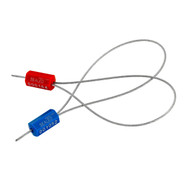
- Cable seals for high-risk or high-strength requirements: You may rely on cable seals when your work involves heavy equipment, industrial sites, or regulated facilities that require stronger barriers. In these environments, teams sometimes upgrade to high security bolt seals for cargo doors or high-value assets that demand certified, impact-resistant protection. Their durability makes them ideal for situations where unauthorized access poses significant risk or financial impact.
These product options help you see that there is no single solution for every situation. When you evaluate the working conditions of your meters or containers, you begin to understand which seal provides the level of security you need. This awareness helps you choose the right product for your environment, and reduces the risk of selecting a seal that falls short of your expectations.
Strengthening Your Security Practices with Trusted Seal Solutions
Exploring security seals helps you see just how important they are in protecting equipment, securing materials, and keeping accurate records. Every seal you choose directly affects how confidently you can verify access and maintain the integrity of your operations. When you understand what each seal is designed to do, know the signs of tampering, and choose products that meet trusted standards, you strengthen your overall security. This clarity makes it easier to make informed decisions and select the right level of protection for your work.
Whenever you need support in choosing the right seal, you can depend on American Casting & Manufacturing to guide you through the process. With more than 110 years of experience, our team continues to provide tamper-evident sealing solutions that serve industries with reliability and long-term performance. You can contact us at Toll-Free (866) 360-6748 or 516-349-7010, Monday through Friday from 9 a.m. to 5 p.m. EST, or email us at info@seals.com for personalized recommendations or free sample requests. To learn more about our history and dedication to quality, visit our About page. We look forward to helping you strengthen your security practices with seals you can trust.