
The Role of Tamper Evident Seals in Equipment Inspections and Safety Compliance
Posted by Steve Diebold
Modern life relies on systems that must operate safely and reliably every day. Elevators, utility meters, and medical equipment all require regular inspections to verify performance and ensure compliance with safety standards. These inspections help maintain the infrastructure and services people depend on daily.
Inspectors perform this work in many environments, carefully examining equipment and confirming that it remains secure after verification. One of the most effective tools they use is the tamper evident seal, which provides a clear visual indication that an inspection has been completed. When properly applied, the seal helps document inspection activity and protect the integrity of the equipment being monitored.
The Critical Role Inspectors Play in Protecting Public Safety
Inspectors are responsible for confirming that equipment and systems operate in accordance with established safety and regulatory standards. Their work takes place in environments that range from commercial buildings and hospitals to food processing facilities and energy infrastructure. While most people rarely notice their presence, inspectors help prevent failures that could affect public safety and operational reliability.
Their responsibilities involve more than simply observing equipment. Inspectors carefully evaluate performance, verify measurements, and document findings that determine whether a system can continue operating. Each inspection contributes to a chain of accountability that helps organizations maintain trust, compliance, and safety.
In many cases, inspectors must record information in a way that remains visible after they leave the site. The following elements are commonly verified during an inspection process:
- Operational Performance Verification: Inspectors verify that equipment operates within the acceptable range defined by industry regulations. This process may include measuring outputs, checking calibration, and verifying that safety mechanisms operate correctly. Accurate verification helps prevent equipment failures that could cause safety risks or service interruptions.
- Compliance With Safety Standards: Many industries must comply with strict regulatory guidelines that define how equipment should operate. Inspectors ensure those requirements are followed by comparing real-world conditions against approved standards. This process protects both the public and organizations by confirming that safety rules are being maintained.
- Documentation of Inspection Results: Proper documentation ensures that inspection findings remain traceable. Inspectors often leave visible records indicating when a device was checked and by whom. This documentation allows future inspectors or maintenance personnel to understand the equipment’s inspection history.
Once an inspection is complete, a tamper evident seal often becomes the final step in verifying that the process has been properly performed. The seal indicates that the equipment was inspected and helps signal if any unauthorized access occurs afterward.
Why Tamper Evident Seals Are Essential for Inspection Verification
Inspection work requires clear and visible confirmation that equipment has been properly reviewed. A tamper evident seal provides that confirmation by serving as a physical indicator that an inspection has been completed and documented. When applied correctly, the seal signals that the device should remain untouched until the next scheduled evaluation, helping maintain accountability and operational integrity.
Inspection seals also function as communication tools for inspectors and facility personnel. They may display details such as inspection dates, certification information, or inspector identification to verify that qualified professionals performed the evaluation. In many environments, seals are used alongside security labels and mechanical locking devices to strengthen tamper detection and preserve the chain of custody for critical equipment.
Several characteristics make inspection seals especially useful:
- Visible Evidence of Inspection: Seals provide a clear signal that equipment has been evaluated and approved for continued use. When someone observes the seal, they know that the device has been checked according to established procedures. This visual confirmation supports accountability and simplifies record keeping.
- Tamper Detection: A properly applied seal reveals if equipment has been opened or altered. If someone attempts to remove or break the seal, the damage becomes immediately visible. This feature helps organizations quickly identify unauthorized access.
- Inspection Communication: Inspectors often include markings that communicate inspection status. Information such as inspection dates or inspector identification can be written or printed on the seal. This small detail allows anyone reviewing the equipment to understand its inspection history.
In certain inspection environments, inspectors also rely on solutions like security labels to protect access panels or equipment housings. These labels leave visible evidence if someone attempts to remove them, which helps maintain accountability between inspection cycles.
Types of Seals Commonly Used During Inspections
Inspection environments vary widely, so inspectors must choose sealing tools that meet the specific requirements of each job. Some systems require a seal that locks mechanical components, while others need a visible indicator attached to an access panel or protective housing. The type of seal used often depends on the equipment design, industry regulations, and environmental conditions.
Organizations responsible for inspections frequently use several types of tamper-indicating devices to protect equipment. Each type is designed for a specific function and inspection environment.
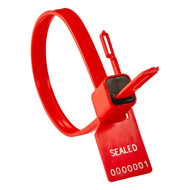
- Plastic Container Seals: These seals are often used to secure lids or access points on containers, meters, and equipment housings. They are lightweight, easy to apply, and can be manufactured in various colors for identification purposes. Many inspectors use plastic container seals when equipment requires a quick and visible method of securing a small enclosure.
- Cable Seals: Some inspection points require stronger locking mechanisms that can secure larger equipment or valves. In these situations, inspectors may use cable seals that thread through locking points and tighten securely. These seals provide added strength while still allowing inspectors to detect tampering quickly.
- Security Labels: Adhesive seals are frequently used for panels, electronics, and devices that should not be opened without authorization. When removed, security labels often leave behind a clear indication that tampering has occurred. This feature makes them especially useful for equipment that requires controlled access.
Each of these sealing methods helps inspectors maintain confidence in their work. The seal not only confirms that the inspection occurred but also protects the equipment from unauthorized interference until the next scheduled evaluation.
Industries That Depend on Inspection Seals Every Day
Inspection seals are used in far more places than most people realize. Many of the systems that support daily life must undergo regular inspections to ensure safety, accuracy, and operational reliability. Across multiple industries, inspectors rely on seals to verify that equipment has been evaluated and remains secure after inspection.
|
Industry |
How Inspection Seals Are Used |
|
Utility providers regularly inspect meters, valves, and distribution systems that deliver electricity, water, and gas. Seals help ensure these components remain secure between service visits and prevent unauthorized access that could affect measurement accuracy or system integrity. |
|
|
Elevators, fire suppression systems, and alarm devices must be inspected regularly to ensure they function properly during emergencies. Inspectors apply seals to confirm that safety systems remain in their approved configuration after testing and maintenance. |
|
|
Inspection programs in food processing and healthcare environments help protect both safety and product quality. Seals verify that equipment has been inspected and remains uncontaminated, supporting trust in systems responsible for public health. |
Across these industries, inspectors depend on reliable sealing tools to document and protect their work. In many situations, multiple devices such as cable seals and plastic container seals may be used together to secure equipment with several access points. This layered approach strengthens inspection integrity and improves accountability throughout the inspection process.
Why Inspectors Often Require Customized Sealing Solutions
Inspection work rarely follows a single universal standard. Equipment designs vary widely, and each industry may require different documentation methods or identification markings. As a result, inspectors often benefit from customized sealing solutions that support their unique operational needs.
Customization can make inspections more efficient and easier to track. By tailoring seals to match inspection programs, organizations can quickly identify who performed the inspection and when it occurred. This information helps simplify compliance reporting and inspection record management.
Several features commonly appear in customized inspection seals:
- Unique Identification Numbers: Numbered or barcoded seals allow organizations to track individual inspection devices. When a seal number is recorded during the inspection process, it creates a clear record that links the seal to a specific inspection event. This traceability strengthens accountability.
- Color Coding Systems: Many inspection programs use color variations to indicate inspection periods or status levels. A quick glance at the seal can reveal whether equipment is due for another inspection, or has recently been verified. Color coding simplifies the process of identifying inspection timelines.
- Custom Markings and Writable Surfaces: Inspectors often need space to record inspection dates or other important details. Writable seals or printed markings allow inspectors to include this information directly on the device. This added visibility improves communication between inspectors, technicians, and facility managers.
Organizations that require reliable inspection tools often partner with an experienced security seal company that can produce customized sealing solutions. Working with a trusted manufacturer helps ensure seals meet industry requirements and remain dependable in demanding environments.
Ensuring Inspection Integrity with Reliable Security Seals
Most people rarely notice the many inspections that help keep everyday systems safe and reliable. Elevators, utility meters, fire safety devices, and other critical equipment are routinely examined by trained inspectors who ensure these systems operate according to established standards. Their work often happens behind the scenes, yet it plays a vital role in protecting infrastructure, maintaining compliance, and supporting public safety.
The seal placed after an inspection serves as a visible confirmation that this important work has been completed. It indicates that equipment has been evaluated, documented, and secured until the next inspection cycle. For more than 110 years, American Casting & Manufacturing has supported inspection programs with dependable sealing solutions designed for demanding environments. As a trusted security seal company, AC&M continues to help inspectors protect equipment and maintain accountability across industries. To learn more about our sealing solutions, contact us at Toll-Free (866) 360-6748 or 516-349-7010, Monday through Friday from 9am to 5pm EST, or email info@seals.com to speak with our experienced team.