
Security Seals for Banks and Couriers: Protecting Currency and Valuables in Transit
Posted by Steve Diebold
Protecting money, documents, and other valuable items during transport has always been a critical responsibility. Banks, armored couriers, and logistics professionals must ensure that assets move securely from one location to another without unauthorized access. One of the most reliable tools used for this purpose is the security seal, which provides clear visual evidence if a container or package has been opened.
Modern financial operations move large volumes of currency and sensitive materials every day, from cash deposits and ATM servicing to the transport of important documents. To maintain a strict chain of custody procedure, organizations rely on tamper evident seals to confirm that containers remain secure during handling and transit. Even as technology has advanced, the simple ability of a seal to reveal tampering continues to play an essential role in protecting valuables across the financial and logistics industries.
The Historical Origins of Tamper Evident Seals
The practice of sealing valuable items dates back thousands of years, long before modern banking and logistics systems existed. Early civilizations used melted wax to seal containers, letters, and scrolls carrying valuable goods or confidential messages. A signet ring was pressed into the wax to leave a distinctive mark that identified the sender and verified the authenticity of the sealed item.
These early seals served two important purposes. The mark confirmed the sender's identity, while the hardened wax clearly revealed whether the container or the document had been opened during transit. As trade networks expanded and shipments traveled greater distances, sealing methods evolved to provide stronger protection. By the late nineteenth and early twentieth centuries, mechanical sealing devices, such as lead and wire seals, began to replace wax in many commercial and industrial applications.
During this period of industrial growth, manufacturers specializing in tamper evident security products began to emerge. American Casting & Manufacturing (AC&M), founded in 1910, became an early innovator in this field and has since developed into a leader in tamper evident seals. With more than a century of manufacturing experience, AC&M continues to produce sealing solutions that help industries protect shipments, equipment, and infrastructure worldwide.
The Evolution of Seals in Banking and Cash Transportation
The methods used to protect money and valuables during transport have changed significantly over time. As banking systems expanded and financial transactions increased, organizations needed better ways to safeguard currency while it moved between locations. Sealing systems gradually evolved alongside transportation and security practices, helping financial institutions maintain accountability and prevent loss.
|
Time Period |
Transportation Method |
Security Challenges |
Role of Seals |
|
Pre-Industrial Era |
Money and valuables were transported by pack animals and small caravans between towns and trading centers. |
Long travel routes and limited oversight created opportunities for theft or interference during transit. |
Early sealing methods helped confirm that containers carrying coins or valuables had not been opened during the journey. |
|
19th Century Expansion |
Railroads and stagecoaches became common methods for moving payroll funds, coins, and paper currency to distant communities. |
Large volumes of money passed through multiple handlers, increasing the risk of pilfering or skimming. |
Seals placed on chests, bags, or containers provided visible proof if someone attempted to access the contents. |
|
Early 20th Century Modernization |
Armored transport services began emerging as financial institutions expanded their operations. |
Growing banking networks required stronger and more consistent security measures for transporting assets. |
Mechanical sealing systems became widely used, helping organizations standardize security procedures. |
|
Modern Financial Systems |
Armored vehicles, courier networks, and secure logistics systems now transport money, documents, and valuables. |
Complex logistics operations require strict accountability and tracking across multiple locations. |
Modern seals support chain-of-custody procedures and provide immediate visual confirmation of tampering. |
Today, the principles behind sealing systems remain just as important as they were in earlier eras. While transportation technology and security protocols have advanced, seals continue to provide a simple and reliable method of verifying that currency and valuables remain protected during movement and storage.
How Banks and Couriers Use Security Seals Today
Modern banking and logistics operations depend on clear procedures that protect currency, documents, and other high-value items during transit. Each time assets move between locations, organizations must verify that containers remain secure and untouched. Security seals provide a simple but effective way to confirm that no unauthorized access occurred during handling or transportation.
Banks and courier services use sealing systems in several common applications:
- Bank Deposit Bags: Bank deposit bags are used to transport currency, coins, and checks between locations. Once sealed, they provide visible evidence if the bag is opened during transit. This helps banks confirm that deposits arrive intact.
- ATM Cash Cassettes and Access Panels: ATM machines store cash in removable cassettes that must remain secure between service visits. Seals applied to cassettes and access panels reveal any unauthorized opening. This helps banks maintain accountability for the funds inside.
- Secure Document Transport: Sensitive documents such as financial records and blank checks are often transported in reusable courier pouches. These pouches have a zipper opening for a seal. The seal confirms the pouch remained closed during transit.
- Evidence Bags and Secure Envelopes: Envelopes and transport bags may use security labels or tamper evident seals. These seals show clear signs if the package is opened or altered. This allows organizations to verify document integrity during handling.
- High-Value Item Transport: Valuable items such as rare artifacts, fine art, or collectibles are often transported in sealed containers. Packaging may include designated points for applying seals. This allows handlers to confirm the contents remain secure during transport.
Security seals support many aspects of modern financial and logistics operations. By providing clear tamper evidence and strengthening chain of custody procedures, these devices help banks, couriers, and other organizations protect valuable assets throughout the transportation process.
Types of Security Seals Used for Currency and Valuables
Modern sealing technology offers a wide range of options designed for different levels of security and handling conditions. Banks and courier organizations select seals based on container type, transportation environment, and operational workflow. A trusted security seal manufacturer typically produces several product categories to meet these needs.
Several common seal types are widely used in financial and courier operations:
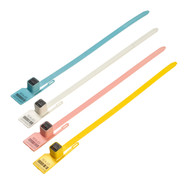
- Plastic indicative seals: Plastic seals are frequently used for bank deposit bags and document pouches. These devices are designed to provide clear visual evidence of tampering without requiring heavy tools for removal. When the seal is broken, it immediately shows that the container has been opened.
These seals often include unique serial numbers printed directly on the locking body. The numbers allow staff members to record and verify the seal during inspections. This process strengthens the chain of custody and improves tracking accuracy.
- High-strength seals: Certain containers may be exposed to frequent handling or temporary access by multiple parties. In these situations, stronger devices such as cable seals provide additional resistance. These seals require cutting tools to remove, which helps discourage unauthorized tampering.
High-strength seals are commonly used when transporting containers that hold high-value contents. The added durability helps protect shipments that travel through busy logistics networks. Even so, the primary purpose remains visible tamper evidence rather than acting as a permanent lock.
- Adhesive security labels and tapes: Document envelopes and smaller packages often rely on adhesive sealing methods. Security labels and tapes reveal tampering through visible markings or destructive adhesives that cannot be reapplied. These systems provide a convenient solution for protecting flat packages.
Adhesive seals are also useful when containers lack built-in locking features. When applied correctly, they create an effective barrier against unnoticed openings. Many courier services rely on these solutions for transporting important paperwork and records.
Advances in manufacturing have added new capabilities to modern sealing devices. Features such as barcodes, color coding, and custom branding improve operational efficiency and identification. As a result, organizations benefit from both enhanced security and improved inventory management.
Choosing the Right Seal for Transporting Money and Valuables
Selecting the right seal for transporting money and valuables requires careful evaluation of operational conditions. Financial institutions and courier services move assets through different environments, each with its own level of risk and handling procedures. Because of this, the seal must match both the container design and the way it will be used during daily operations.
|
Factor to Consider |
Why It Matters |
How It Influences Seal Selection |
|
Container Design |
The structure of the container determines which seals can be applied properly. Some containers include dedicated locking points, while others rely on zipper openings or adhesive closures. |
Choosing a seal that fits the container prevents accidental breakage and ensures tamper evidence remains visible and easy to verify. |
|
Handling Environment |
Containers stored within controlled facilities face different risks than those transported through external logistics networks. The level of exposure to multiple handlers affects the type of seal required. |
Controlled environments may only need basic indicative seals, while shipments exposed to outside handling may require stronger options such as cable seals for added deterrence. |
|
Operational Efficiency |
Many financial operations require containers to be opened and resealed throughout the day. A seal that is too difficult to remove can slow down workflow and disrupt daily procedures. |
Organizations look for seals that provide reliable tamper evidence while allowing authorized access when necessary, ensuring both security and efficiency. |
Choosing the correct seal ultimately requires balancing security requirements with operational practicality. By evaluating container design, handling conditions, and workflow efficiency, organizations can identify sealing solutions that protect assets without disrupting daily processes. In many cases, guidance from an experienced security seal provider helps ensure the most appropriate seal is selected for each application.
Securing Currency and Valuables with Trusted Sealing Solutions
Sealing systems have remained a trusted method of protecting valuables throughout history. From early wax impressions to modern mechanical devices, the goal has always been the same: to provide clear evidence if a container has been opened or tampered with. Today, banks and courier services continue to rely on tamper evident seals to strengthen chain of custody procedures and safeguard currency, documents, and other high-value assets during transport.
For more than 110 years, American Casting & Manufacturing has provided dependable sealing solutions for organizations that require reliable asset protection. As an experienced security seals manufacturer, we support banks, couriers, government agencies, and logistics providers worldwide with high-quality sealing technology. If you would like guidance selecting the right seal for your operation, contact our team at Toll-Free (866) 360-6748 or 516-349-7010, Monday to Friday from 9 am to 5 pm EST, or email info@seals.com to learn how our solutions can support your security needs.