
The Roles of Inspectors and Security Seals in Strengthening Modern Safety Standards
Posted by Steve Diebold
Safety is one of those aspects of daily life that often goes unnoticed until something goes wrong. Behind every functioning elevator, reliable fire suppression system, and accurate medical meter, professionals ensure that these essential tools operate correctly and securely. Among these professionals, inspectors play a vital role in safeguarding the integrity of critical systems through precise evaluations and the use of tamper-evident security seals.
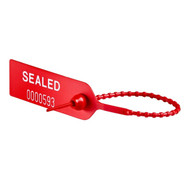
Security seals are more than small pieces of plastic, metal, or adhesive. They represent assurance, visible proof that an inspection has been completed, that a device is functioning correctly, and that it has not been compromised since its last review. These seals uphold trust, prevent unauthorized interference, and ensure that both public and private operations maintain consistent safety standards.
The Purpose of Safety Inspections in the Workplace
Every organization that deals with machinery, infrastructure, or critical systems must undergo safety inspections to comply with regulations and ensure the protection of lives. Safety inspections are designed to identify risks before they become hazards. Inspections ensure that machinery operates within safe limits, electrical systems meet code requirements, and all safety devices are fully functional.
Inspectors perform various checks depending on the industry. In a manufacturing facility, they might inspect conveyor systems, boilers, or pressure vessels. In healthcare, their attention turns to equipment like sterilization chambers, medical refrigerators, or automated dispensers. In each case, the goal is the same: to confirm operational safety and compliance, while documenting each finding for accountability.
Beyond physical safety, inspections promote a culture of diligence. They remind employees and operators that safety is a shared responsibility. When seals are placed on inspected equipment, they stand as silent guardians, symbolizing that someone has verified the system’s integrity and that it remains protected until the following review.
The Main Objective of a Safety Inspection
While the immediate goal of an inspection is to identify issues, the primary objective of a safety inspection extends beyond that. It’s about establishing reliability and continuity across entire systems. Inspectors don’t just find what’s broken; they ensure that the conditions surrounding the equipment, its users, and its environment meet standards for long-term safety.
In industrial settings, this process often involves layers of verification. Inspectors look at maintenance records, operational logs, and calibration certificates before conducting on-site assessments. Every seal, label, or tag they apply becomes evidence linking their professional judgment to the device’s ongoing safety record. These layers of documentation reduce liability, build public confidence, and ensure compliance with local and international safety regulations.
Ultimately, safety inspections reinforce trust between the inspector, the business, and the public. A properly inspected and sealed piece of equipment reassures everyone who relies on it, from workers in a plant to passengers in an elevator, that it is safe to use and fully compliant.
The Purpose of a Security Seal
To the untrained eye, a security seal may seem insignificant, but within the world of inspections, it is a critical line of defense. The purpose of a security seal is to provide tamper evidence and preserve accountability. Once applied, a seal confirms that an authorized inspector has examined the device or container, and that it has remained unaltered since then. Whether it’s a barcode label, cable lock, or tamper-evident seal, these tools reinforce trust by ensuring that inspected equipment or goods remain secure and compliant until their following review.
Security seals serve multiple essential functions:
- Tamper Evidence: When broken, a seal immediately indicates that unauthorized access has occurred. This quick visual signal prevents further use until the issue is investigated, protecting both personnel and assets.
- Authentication: Each seal, especially those with serial numbers or barcodes, authenticates the identity of the inspector or organization responsible for the check. This creates an unbroken chain of custody for inspections.
- Traceability: Modern seals often include QR codes or scannable identifiers that link directly to digital inspection logs. This digital trace allows instant verification of the inspection date, inspector name, and equipment status.
In sectors such as energy, food handling, and medical device management, security seals prevent contamination, data loss, or system tampering. They are integral to ensuring that once equipment passes inspection, it stays secure until its next scheduled check.
How Inspectors Use Seals to Authenticate and Record Inspections
Inspectors rely on seals not only for physical protection, but also for documentation. A tamper evident seal marks the completion of an inspection and records critical information, such as the date, inspector’s name, and the scheduled review date. This process maintains transparency and ensures that each inspection is verifiable in the event of audits or investigations.
In modern settings, seals have evolved beyond simple markings. Many inspection teams now use serialized barcoded seals or digital record systems that integrate directly with asset management software. These tools allow inspectors to scan seals with mobile devices and instantly upload inspection results, ensuring data accuracy and reducing paperwork.
To carry out inspections effectively, inspectors must also follow a series of professional measures:
- Training and Certification: Every inspector undergoes comprehensive education and regular skill assessments to maintain their certification and stay up-to-date with new safety standards.
- Calibration of Tools: Inspection tools must be precisely calibrated to ensure measurement accuracy, whether it involves pressure gauges, thermometers, or electrical testers.
- Access to Reliable Sealing Materials: Inspectors depend on quality security seals made from durable, tamper-resistant materials. American Casting & Manufacturing provides a range of seals explicitly designed for inspection environments, ensuring reliability in every application.
- Compliance with Standards: Adherence to ISO, ASTM, and other global standards ensures that inspection and sealing procedures meet regulatory expectations and industry best practices.
Each of these measures contributes to accurate and adequate inspections that protect both public safety and organizational integrity.
Types of Security Seals and Their Industry Applications
Across various industries, inspectors rely on different seal types, depending on the equipment or environment. Each type offers unique strengths that make it suitable for particular applications.
- Mechanical Seals: These are durable and versatile, used in heavy-duty environments like transportation, shipping, and logistics. They prevent tampering on valves, truck doors, and container latches, ensuring that goods remain secure during transit.
- Adhesive and Label Seals: Security tape and labels or adhesive seals are often used on smaller devices, meters, or food packaging. They are easy to apply and reveal tampering through visible residue or distortion when removed. Inspectors favor these for convenience and clear evidence of interference.
- Cable Seals: Cable seals provide strong protection where other seal types might not suffice. Made with a locking mechanism and steel cable, they are ideal for utility meters, tanker valves, and other high-security applications. Once locked, they can only be removed with cutting tools, ensuring reliable tamper evidence.
- Barcoded and Serialized Seals: In an increasingly digital world, barcoded seals allow seamless integration with inspection databases. By scanning barcodes or QR codes, inspectors can instantly verify the authenticity of seals, inspection history, and compliance records.
By selecting the right seal type, inspectors not only enhance the security of their inspections, but also improve the efficiency and accuracy of their reporting.
The Human Element: Inspectors’ Commitment to Safety
Behind every inspection label and seal is a dedicated professional who has invested years of training and field experience to ensure safety and reliability. Inspectors are often the invisible protectors of society, working across various sectors that most people never consider. From checking water treatment valves to verifying hospital sterilization chambers, their work touches nearly every part of daily life.
These professionals must strike a balance between precision and judgment. While modern tools and seals make their jobs more efficient, it is the human factor, the inspector’s knowledge, ethics, and sense of responsibility, that ensures true safety. A machine can record data, but only a trained inspector can interpret it correctly, identifying subtle risks that automation might miss.
Inspectors also serve as educators within their organizations. By explaining inspection results and highlighting preventive measures, they promote safer practices among employees and management teams. Their commitment builds an environment where safety is proactive, rather than reactive.
Advancements in Tamper Evident Technology
The field of tamper-evident sealing continues to evolve. New materials, digital tracking systems, and design innovations have made seals more reliable and easier to verify. Many seals today include built-in indicators that change color or display “VOID” messages if tampering occurs. Others feature microprinting or holographic layers for enhanced authentication, while plastic security seals remain a trusted option for everyday applications that require durability, affordability, and tamper evidence.
Digital integration is another advancement transforming the inspection process. Barcoded or RFID-enabled seals can now link directly to cloud-based inspection systems. This enables inspectors and organizations to track inspections in real-time, reducing human error and streamlining audits. Such innovations create an unbroken chain of accountability, from inspection to documentation and final approval.
As industries modernize, the demand for eco-friendly sealing materials has also grown. Manufacturers like American Casting & Manufacturing are pioneering recyclable and biodegradable seal options that maintain security while reducing environmental impact. These new products reflect a broader commitment to sustainability and safety across all inspection activities.
American Casting & Manufacturing: A Legacy of Reliability
Every day, inspectors and tamper-evident seals collaborate to safeguard the systems that keep society functioning, from elevators and water treatment plants to transportation networks, food production facilities, and medical equipment. While seals provide visible proof of accountability, inspectors bring the expertise and diligence that ensure lasting safety and reliability. Together, they create an unbroken chain of trust that safeguards our communities and industries, reminding us that safety is never accidental; it’s the result of careful inspection, consistent verification, and professional dedication.
For over 110 years, American Casting & Manufacturing has supported that mission by providing durable, tamper-evident sealing solutions trusted worldwide. From simple utility seals to advanced custom-engineered devices, each AC&M product reflects precision, innovation, and performance. Serving sectors such as logistics, medical, energy, and food processing, the company continues to set the industry standard for quality and reliability. To learn more about AC&M’s history and values, visit our About page, email info@seals.com, or contact us at Toll-Free (866) 360-6748 or 516-349-7010, available Monday through Friday, 9 AM to 5 PM EST. With over a century of excellence, AC&M remains committed to helping inspectors uphold the safety, compliance, and trust that modern industries rely on.