Maximizing Safety and Compliance with Hazardous Waste Seals and Labels
Posted by Steve Diebold
Hazardous waste is an inevitable byproduct of industries such as manufacturing, healthcare, energy, and chemical processing. Because these materials can pose serious risks to human health and the environment, proper handling, transport, and disposal are crucial. Once hazardous waste leaves its point of generation, the potential for accidents, tampering, or regulatory non-compliance increases significantly.
To mitigate these risks, organizations rely on both regulatory oversight and practical safeguards. Among the most effective solutions are tamper evident seals and security labels. When implemented correctly, they help protect shipments, maintain control, and demonstrate compliance throughout the hazardous waste lifecycle.
Understanding What Qualifies as Hazardous Waste
Hazardous waste refers to materials that pose a risk to people, public safety, or the environment when they are not handled properly. Because these materials can cause serious harm, they are subject to strict regulations and require careful identification, containment, and disposal. Using a tamper seal on containers helps ensure that hazardous materials remain secure during handling and transport.
Key Characteristics of Hazardous Waste
- Potential to cause harm: Hazardous waste can negatively impact human health, natural resources, or public safety if released or mishandled.
- Multiple physical forms: These materials may exist as solids, liquids, or gases, depending on their source and composition.
- Danger in small quantities: Even limited exposure can be dangerous when containment fails or controls are not in place.
- Regulatory classification: In the United States, the Environmental Protection Agency evaluates waste based on specific characteristics that indicate real-world risks, such as fire, corrosion, reactivity, or toxicity.
- Strict management requirements: Materials that meet these criteria must be handled, transported, and disposed of according to regulated guidelines to prevent environmental contamination or exposure.
Properly identifying hazardous waste is the first step toward safe and compliant management. Understanding how hazardous materials are classified and why they require strict controls allows organizations to reduce risk, protect people and the environment, and maintain regulatory compliance.
Core Hazard Characteristics and Associated Risks
Hazardous waste is classified based on specific characteristics that indicate how it can cause harm to people, property, or the environment. Recognizing these core hazard characteristics helps ensure proper handling, containment, and regulatory compliance.
Core Hazard Characteristics
- Ignitability: Materials that can easily catch fire under normal conditions, creating fire or explosion risks during storage and transportation.
- Corrosivity: Wastes capable of corroding metals or damaging containers, which may lead to leaks and unsafe exposure.
- Reactivity: Substances that can explode, generate toxic gases, or react violently when exposed to incompatible materials, air, or moisture.
- Toxicity: Materials that are harmful when ingested, inhaled, or absorbed, and can contaminate water sources, soil, or food supplies.
Understanding these core hazard characteristics is essential for safe hazardous waste management. Proper identification allows organizations to apply the correct controls, reduce risk, and maintain compliance with environmental and safety regulations.
Regulations Governing Hazardous Waste Handling and Transport
Hazardous waste handling and transportation are governed by a comprehensive regulatory framework designed to protect people, communities, and the environment. In the United States, the Resource Conservation and Recovery Act (RCRA) establishes the foundation for managing hazardous waste from generation through final disposal, supported by proper containment, documentation, and accountability from a trusted security seals manufacturer.
These regulations address every stage of the hazardous waste lifecycle to reduce the risk of exposure, contamination, or improper disposal. Key areas of regulatory oversight include:
- Waste generation and classification
- Approved packaging and container standards
- Labeling and hazard communication requirements
- Transportation and transfer protocols
- Treatment, storage, and disposal procedures
Maintaining compliance requires consistent attention to detail and strong operational controls. Proper container selection, accurate labeling, and complete documentation are essential, especially during transportation when waste leaves controlled facilities. Chain-of-custody records play a critical role in tracking materials, while security labels and security seals provide visible assurance that containers remain intact and unaltered throughout transit, supporting both safety and regulatory accountability.
The Role of Security Seals and Labels in Hazardous Waste Control
Security seals and labels play a critical role in hazardous waste control by providing clear, visible evidence that containers remain closed and protected during handling and transportation. They help deter unauthorized access and reduce the likelihood of accidental interference, especially in regulated environments where maintaining control is essential. When properly applied, seals also support accountability by enabling traceability through unique serial numbers or identifying marks.
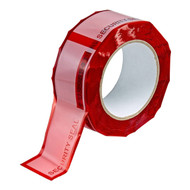
Hazardous waste labels are equally important, as they clearly communicate the nature of the contents and any required handling instructions. Modern labeling solutions often incorporate barcodes, serial numbers, writable surfaces, and tamper evident tape - Tapezon to improve tracking, documentation, and compliance. Accurate labeling helps ensure that hazardous materials are handled correctly at every stage, from pickup through final disposal.
Together, tamper evident seals and security seals and labels form a unified system for safe and compliant hazardous waste management. American Casting and Manufacturing (AC&M), a leading security seals manufacturer, provides reliable sealing and labeling solutions designed specifically for regulated environments. With a focus on durability, customization, and compliance support, AC&M helps organizations maintain control, accountability, and confidence throughout the hazardous waste lifecycle.
Choosing the Right Sealing Solution for Compliance
Selecting the correct sealing solution is essential for safe and compliant hazardous waste management. Different materials, transportation methods, and regulatory requirements demand tailored solutions to reduce risk, prevent tampering, and ensure accountability.
|
Factor |
Considerations |
Recommended Approach |
|
Waste Type |
High-risk vs. low-risk materials |
Use high-security seals for highly hazardous or regulated waste; tamper-evident seals may suffice for lower-risk materials |
|
Container Material |
Compatibility with plastics, metals, or composite containers |
Select seals that fit securely, without damaging the container or compromising integrity |
|
Transportation Method |
Road, rail, air, or mixed transport |
Choose seals designed to withstand the conditions and duration of transit |
|
Regulatory Requirements |
Federal, state, and local compliance standards |
Ensure seals meet or exceed regulatory standards for visibility, traceability, and tamper resistance |
|
Operational Needs |
Quantity, customization, and handling procedures |
Work with experienced providers to select appropriate seal types, quantities, and labeling options |
Careful evaluation of waste type, container, transport, and regulatory requirements ensures the selection of an appropriate sealing solution. Partnering with experienced providers, such as American Casting and Manufacturing (AC&M), helps organizations implement seals that are secure, compliant, and cost-effective, supporting safe and efficient hazardous waste operations. AC&M also offers specialized container seals designed to fit a variety of waste containers without compromising integrity or safety. These seals provide additional security during transport and storage.
Get Expert Support for Your Sealing Needs
Choosing the right sealing partner is critical for organizations that manage hazardous waste, where reliability, compliance, and safety are non-negotiable. American Casting and Manufacturing delivers trusted security seals and tamper-evident solutions designed for regulated environments, backed by decades of industry expertise. With personalized support, customization options, and a consultative approach, their team ensures each solution aligns with operational needs and regulatory requirements, helping organizations maintain confidence throughout the waste management lifecycle.
Security seals and labels are not simply accessories; they are essential tools for protecting people, property, and the environment. Applied correctly, they provide accountability and peace of mind at every stage. To learn how American Casting and Manufacturing can support your hazardous waste sealing needs, contact the team at (866) 360-6748 or 516-349-7010, Monday through Friday from 9am to 5pm EST, or email info@seals.com. With over 110 years of experience, American Casting and Manufacturing remains a trusted partner in quality sealing solutions.