
Best Security Seals for Metering Devices: How to Evaluate, Compare & Choose
Posted by Steve Diebold
Metering devices play a central role in how utilities measure consumption, protect revenue, and maintain accurate records across broad service areas. Because these units are more advanced than ever, choosing the proper tamper-evident seal has become increasingly important. Modern sealing must account for physical tampering, traceability needs, inspection efficiency, and compatibility with automated monitoring systems. Even small shifts in field conditions or handling can affect seal performance, making it essential to understand the strengths of each option.
The proper seal depends heavily on where and how a meter is used. Some devices undergo regular inspections, while others operate for long periods without human contact, requiring seals that withstand specific environmental and operational demands. Whether a meter is located in a busy neighborhood, a commercial facility, or an isolated outdoor setting, the proper seal supports consistent performance and clear evidence of tampering. This guide outlines today’s sealing choices and how each contributes to reliable meter protection.
Security Needs of Modern Metering Systems
Modern metering equipment operates under constant environmental and operational pressures, making seal selection an essential part of system reliability. As utilities shift toward automated meter reading systems, technicians perform fewer in-person inspections, so seals must provide stronger, more immediate signs of interference. A clear tamper-evident response ensures that any disturbance is noticed quickly, even when field visits are limited.
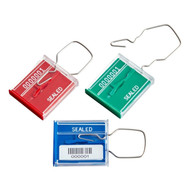
Because oversight has decreased, the role of each seal becomes more significant. A well-designed indicator, such as the acrylic meter seal – Model XPC-2, creates a visible record whenever a meter enclosure is accessed. This helps protect service accuracy and supports billing integrity, especially in high-volume locations where even minor lapses can lead to impactful losses.
Meter tampering remains a concern in residential, commercial, and industrial environments. Unauthorized access can disrupt service, impact billing, or damage internal control components. To counter this, modern seals now include serial numbers, color coding, barcodes, and compatibility with digital tracking systems, allowing technicians to verify device integrity quickly and maintain long-term operational accountability.
Step-by-Step Guide to Choosing the Right Security Seal
Choosing the correct security seal for a metering device requires a careful look at how the equipment operates, where it is installed, and what risks it may face. Because different meters experience unique conditions, following a structured process helps ensure that the selected seal provides reliable protection and clear tamper evidence. This step-by-step guide outlines the essential actions that support accurate selection and long-term meter security.
- Assess the Environment: Identify whether the meter is indoors, outdoors, exposed to weather, or in a high-traffic area to determine material durability needs.
- Determine Tamper Risk: Consider past interference, site vulnerability, and the meter’s importance to billing accuracy to choose appropriate tamper resistance.
- Check Inspection Frequency: Select lighter seals for frequently inspected meters and more durable seals for remote or seldom-serviced locations.
- Evaluate Traceability Needs: Decide if the seal requires barcodes, serial numbers, or color coding to support logging, compliance, or automated tracking.
- Match the Seal to the Meter Design: Ensure the seal fits the device’s locking points and enclosure shape to avoid installation problems.
- Confirm Ease of Use: Choose seals that technicians can apply quickly and consistently without unnecessary tools.
Selecting a security seal using this structured process helps utilities and field teams protect their metering devices with confidence. By evaluating conditions, identifying risks, and matching seals to operational needs, organizations strengthen accuracy, safety, and accountability.
Following these steps ensures that every meter receives the appropriate level of protection for its environment and long-term service requirements.
When Lightweight Plastic Seals Offer the Best Tamper Protection
Lightweight plastic seals are particularly useful in meter applications that require quick and efficient installation. Many technicians work in environments where they need to apply seals with one hand, especially when changing demand meters or handling equipment in tight spaces. Plastic seals offer a smooth application process without compromising security, and their color variations help inspectors identify the correct seal type or service classification.
These seals provide strong visual tamper-evidence because they break cleanly when manipulated, leaving a noticeable mark that cannot be easily concealed. Plastic seals also support a variety of meter types beyond the utility sector. They are frequently used on taxi meters, remote reading devices, chemical dosing equipment, and liquid measurement systems in industrial and commercial settings. In higher-demand applications, some teams upgrade to options like the Model PS360 to ensure additional strength and durability. Because these seals are designed to clearly indicate tampering, they create an immediate visual alert when unauthorized access occurs.
These seals help ensure that sensitive systems remain secure and unaltered until authorized personnel perform an inspection. Industries that prioritize chain-of-custody verification, such as food distribution, healthcare, and financial services, rely on plastic seals for this specific reason. Their versatility and practical tamper-evident features make them an essential option for organizations seeking lightweight but adequate protection.
Evolving Wire Seal Technologies for Long-Term Meter Protection
Wire seals have played a key role in metering security for more than a century because of their durability and versatility. Earlier versions used lead components, but the industry has shifted to safer materials that still preserve the flexibility technicians rely on. Modern options, such as wire seals and wires, can be adjusted to fit different meter shapes. Their locking mechanisms create a secure hold that works well for irregular enclosures or tight installation points.
Recent advancements have improved wire seal performance by introducing corrosion-resistant materials and stronger internal components. Plastic security wire seal models like the PSW-97 feature stainless steel plungers and precision-engineered locking parts that allow these seals to withstand harsh temperatures, moisture, and heavy outdoor exposure. Their firm grip makes tampering easy to detect, helping technicians quickly verify meter integrity during field checks.
Because wire seals adapt to many meter designs and installation conditions, they remain a dependable choice for utilities with diverse equipment. Their long-term strength is instrumental in remote locations where technicians cannot regularly inspect meters. For operations that require traceability, barcode-compatible options, such as the Model RLWIR-WT-RD-SN, add another layer of accountability. This blend of flexibility, durability, and tamper-evident performance ensures that wire seals continue to meet the demands of modern metering systems.
High-Strength and Adhesive Options for Elevated Security Requirements
High-risk meter installations often require stronger protection than standard tamper-evident seals can provide. Cable seals are well-suited for these environments because they combine visible tamper evidence with high mechanical resistance. Their steel cables cannot be removed without specialized cutting tools, and their secure locking mechanisms help prevent forced entry. For applications that require even more durability, heavy-duty options such as the CableLock 4 deliver increased strength for substations, industrial sites, commercial facilities, and high-consumption equipment.
Adhesive-based seals offer a different kind of protection, particularly for devices that cannot accommodate traditional sealing hardware. These seals use engineered adhesives that display a warning message when lifted, creating immediate and permanent evidence of interference. Some versions leave residue to highlight tampering, while others are designed to protect sensitive surfaces, such as electronic housings and calibrated instruments. When operations require a bold and highly visible indicator, tamper evident void labels provide a clear and reliable tamper message.
Because adhesive seals support temporary closures and electronic components, they are widely used for shut-off meters, calibrated test equipment, and inventory control. Their flexibility makes them especially useful as utilities expand digital infrastructure and handle more devices that move between storage, transit, and active service. Together, cable and adhesive solutions, including versatile cable security seals, provide elevated security options that meet the diverse needs of modern metering environments.
Selecting the Best Meter Seal for Reliable and Long-Term Protection
Selecting the correct seal for a metering device is a meaningful step toward protecting equipment, maintaining accurate records, and ensuring secure service delivery. Because each meter operates under different conditions, the right sealing solution must be chosen with care. Padlock-style seals offer convenient and reliable closure for everyday utility applications, while plastic seals provide quick installation and clear evidence of tampering. Wire seals continue to serve as a dependable option for long-term deployments, and cable seals provide greater strength in high-risk environments. Adhesive-based solutions further expand security options by offering flexible, temporary protection for electronic or sensitive equipment. Evaluating each device and its surroundings ensures the seal performs effectively throughout its use.
For more than 110 years, American Casting & Manufacturing has supported utilities, industrial organizations, and commercial operations with reliable sealing solutions designed for lasting protection. If you would like assistance in choosing the correct seal for your metering systems, you can contact us via Toll-Free (866) 360-6748 or 516-349-7010, Monday through Friday from 9 a.m. to 5 p.m. EST. You may also email us at info@seals.com to discuss how our products can help improve your security strategy. To learn more about our commitment to quality and our history as a trusted manufacturer, visit our About page at seals.com/about. We look forward to helping you strengthen your metering security with dependable sealing solutions.